|
| Kinds | - Acanthopteroctetidae
- Acraeidae
- Acrolophidae, Burrowing-webworm moths
- Adelidae
- Aegeriidae, Clear-winged moths
- Agaristidae, Forester moths
- Agathiphagidae
- Agonoxenidae, Leafminer
- Aididae
- Alucitidae, Many-plume moths
- Amathusiidae
- Amphitheridae
- Anomoeotidae
- Anomosetidae
- Anthelidae
- Apatelodidae, American silkworm moths
- Apoprogonidae
- Arctiidae, Tiger moths
- Argyresthiidae, Leafminers
- Arrhenophanidae
- Autostichidae
- Axiidae_homonym
- Batrachedridae
- Bedelliidae, Leafminers
- Blastobasidae, Blastobasid moths
- Blastodacnidae
- Bombycidae, Silk worms
- Brachodidae
- Brahmaeidae
- Brassolidae
- Bucculatricidae, Skeletonizers
- Callidulidae
- Carposinidae, Carposinid moths
- Carthaeidae
- Castniidae
- Cecidosidae
- Cercophanidae
- Chimabachidae
- Choreutidae, Skeletonizer
- Chrysopolomidae
- Citheroniidae, Royal moths
- Cochylidae
- Cocytiidae
- Coelopoetidae
- Coleophoridae, Casebearers
- Copromorphidae
- Cosmopterigidae, Cosmopterygid moths
- Cossidae, Carpenterworms
- Crambidae, Webworms
- Crinopterygidae
- Ctenuchidae, Wasp moths
- Cyclotornidae
- Dalceridae, Dalcerid moths
- Danaidae, Monarch butterfly
- Depressariidae
- Dioptidae, Oakworms
- Doidae
- Douglasiidae, Leaf-miner moths
- Drepanidae, Hook-tip moths
- Dudgeoneidae
- Elachistidae, Leafminer
- Endromidae
- Eocoronidae
| - Eosetidae
- Epermeniidae, Epermeniid moths
- Epicopeiidae
- Epiplemidae, Epiplemid moths
- Epipyropidae, Planthopper-parasite moths
- Episcepsis
- Erebidae
- Eriocottidae
- Eriocraniidae, Eriocraniid moths
- Ethmiidae, Ethmiid moths
- Eupterotidae
- Galacticidae, Webworm
- Gelechiidae, Twirler moths
- Geometridae, Geometer moths
- Glyphipterigidae, Glyphipterygid moths
- Gracillariidae, Leafminers
- Hedylidae
- Heliodinidae, Skeletonizer
- Heliozelidae, Shield bearers
- Hepialidae, Ghost moths
- Hesperiidae, Skippers
- Heterobathmiidae
- Heterogynidae
- Himantopteridae
- Holcopogonidae
- Hyblaeidae
- Hypsidae
- Immidae
- Incurvariidae, Leafcutters
- Ithomiidae
- Lacosomidae, Sack-bearer moths
- Lacturidae
- Lasiocampidae, Lappet moths
- Lecithoceridae
- Lemoniidae
- Libytheidae, Snout butterflies
- Limacodidae, Slug-caterpillar moths
- Lithosiidae
- Lophocoronidae
- Lycaenidae, Blue Butterflies
- Lymantriidae, Tussock moths
- Lyonetiidae, Lyonetiid moths
- Lypusidae
- Manidiidae, Manidiid moths
- Megalopygidae, Flannel moths
- Megathymidae
- Metachandidae
- Metarbelidae
- Micropterigidae, Mandibulate moths
- Mimallonidae
- Mirinidae
- Mnesarchaeidae
- Momphidae
- Morphidae
- Neonerita
- Neopseustidae
- Neotheoridae
- Nepticulidae, Leafminers
- Noctuidae, Owlet moths
- Nolidae, Nolid moths
- Notodontidae, Prominent moths
- Nymphalidae, Snout Butterflies
- Ochsenheimeriidae
| - Oecophoridae, Leafworms
- Oenosandridae
- Oinophilidae, Oinophilid moths
- Olethreutidae, Codling moths
- Opostegidae, Opostegid moths
- Oxychirotidae
- Oxytenidae
- Palaeosetidae
- Palaephatidae
- Papilionidae, Swallowtails
- Peleopodidae
- Pericopidae, Pericopid moths
- Phaloniidae, Webworm moths
- Phyllocnistidae
- Pieridae, White Butterflies
- Plutellidae, Diamondback moths
- Praydidae
- Prodoxidae, Yucca moths
- Prototheoridae
- Pseudarbelidae
- Psychidae, Bagworm
- Pterolonchidae
- Pterophoridae, Plume moths
- Pterothysanidae
- Pyralidae, Snout moths
- Pyromorphidae, Smoky moths
- Ratardidae
- Riodinidae, Metalmark Butterflies
- Roeslerstammiidae
- Saturniidae, Emperor moths
- Satyridae, Satyrs
- Schreckensteiniidae
- Scythrididae, Scythrid moths
- Scythropiidae
- Sematuridae
- Sesiidae, Clearwing moths
- Simaethistidae
- Somabrachyidae
- Sphingidae, Sphinx moths
- Stathmopodidae
- Stenomatidae
- Stenomidae, Stenomid moths
- Symmocidae
- Thaumatopoeidae
- Thyatiridae, Thyatirid moths
- Thyretidae
- Thyrididae, Window-winged moths
- Tineidae, Fungus moths
- Tineodidae
- Tischeriidae
- Tischeriidea, Leaf-miner moths
- Tortricidae, Leafroller moths
- Uraniidae
- Urodidae
- Whalleyanidae
- Xylorictidae
- Yponomeutidae, Moths
- Ypsolophidae
- Zanolidae, Zanolid moths
- Zygaenidae, Skeletonizers
|
|
|
Overview | |
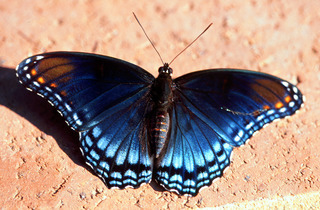
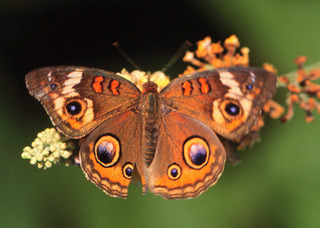
Butterflies and moths are in the order Lepidoptera. They can be readily identified from other insects by
the scales on their wings. Lepidoptera, being derived from Greek, means "wings of scale."
Their life cycle has four stages: egg, larva (caterpillar), pupa (chrysalis) and adult.
Most butterflies fly during the day; most moths
fly at night. In terms of species numbers, Lepidoptera is among the four largest insect orders,
the others being the Coleoptera (beetles), Diptera (flies) and Hymenoptera (ants, bees, wasps & sawflies).
Worldwide there are probably about 300,000 species of Lepidoptera, of which only an estimated 14,500 or about 5%
are butterflies. With an estimated 6,000 species, the New World is rich in butterflies. In North America, there
are over 11,000 described Lepidoptera species, including 679 butterflies.
|
|
|
Identification |
- Butterflies
-- IDnature guide for North America
- Caterpillars
-- IDnature guide for common species in Eastern North America
- Differences Between Moths and Butterflies
- Identification of Major Families of Moths
- Identifying North America species
- Identifying Costa Rican species
|
|
|
Phylogeny | |
Suborder FRENATAE
Division MACROLEPIDOPTERA
- Bombycoidea -- Bombycidae, Lasiocampidae, Zanolidae
- Drepanoidea -- Drepanidae, Thyatiridae
- Geometroidea -- Geometridae
- Hesperioidea - Hesperiidae, Megathymidae (skippers)
- Papilionoidea - Danaidae, Heliconiidae, Libytheidae, Lycaenidae, Nymphalidae,
Papilionidae, Parnassiidae, Pieridae, Riodinidae, Satyridae, (butterflies)
- Noctuoidea -- Agaristidae, Arctiidae, Ctenuchidae, Dioptidae, Liparidae, Manidiidae, Noctuidae, Nolidae, Notodontidae, Pericopidae
- Saturnioidea -- Citheroniidae Saturniidae
- Sphingoidea -- Sphingidae
- Uranioidea -- Epiplemidae Lacosomidae
|
Division MICROLEPIDOPTERA
- Cycnodioidea -- Douglasiidae, Elachistidae, Heliozelidae
- Gelechioidea -- Blastobasidae, Cosmopterygidae, Epermeniidae, Ethmiidae, Gelechiidae, Oecophoridae, Stenomidae
- Incurvarioidea -- Incurvariidae
- Pyralidoidea -- Alucitidae Pterophoridae Pyralidae Thyrididae
- Nepticuloidea -- Nepticulidae
- Tineoidea -- Acrolophidae Coleophoridae Gracilariidae Lyonetiidae Oinophilidae Opostegidae Psychidae Tineidae Tischeriidea
- Tortricoidea -- Carposinidae Cossidae Olethreutidae Phaloniidae Tortricidae
- Yponomeutoidea -- Aegeriidae Glyphipterygidae Heliodinidae Plutellidae Scythridae Yponomeutidae
- Zygaenoidea -- Dalceridae Epipyropidae Limacodidae Megalopygidae Pyromorphidae
|
Suborder JUGATAE - jugate moths Eriocraniidae Hepialidae Micropterygidae
|
|
|
Photographs | |
|
|
|
Geographic distribution |
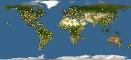
- Worldwide, except for Antarctic.
- Distribution Maps -- Source: Nothern Prarie Wildlife Research Center
- Checklists
|
|
|
Natural history |
- Life Cycle
-
Overview -- David L. Wagner, Valerie Giles, Richard C. Reardon & Michael L. McManus
- Egg
- Larva
- Pupa
- Adult
- Biology
|
|
|
How to encounter | |
|
|
|
Links to other sites |
- Butterflies of America
-
Pacific Northwest Moths
-
Bob Patterson's Moths of Prince George's County, Maryland, USA
-
Butterflies and Moths of North America,Occurrence maps, species accounts, checklists, and photographs
-
Butterflies and Moths of the World Natural History Museum, London
-
Images of North American Moth Species, over 2,000 species, by John Snyder
-
Butterflies of Southeastern Arizona,
images, University of Arizona
-
Butterflies of Northern Mexico & Sonora,
images, University of Arizona
-
Biology -- Source: www.butterflies-moths.com
-
Electronic Resources on Lepidoptera
-
Overview -- University of Michigan
-
Global Lepidoptera Names Index -- database of butterfly and moth names
-
North American Moth Photographers Group -- Mississippi State University
-
Butterflies of Canada -- Canadian Biodiversity Information Facility
-
Moths of Canada -- Canadian Biodiversity Information Facility
-
Lepidoptera barcode of life
-
Catocala moths -- Bill Oehlke
-
Georgia Lepidoptera -- James Adams, Dalton State College
-
Mark Drelling -- Images of moths from Oklahoma
-
Moths of Maryland -- Larry Line
-
Bob Moul -- Moths of Codorus State Park, York County, Pennsylvania
-
Pat Hallden-Annerton -- Moths of Maple Glen, Pennsylvania
-
Will Cook -- North Carolina and Virginia moth photos
- Butterfly Atlas of North Carolina
-
Moths of North Dakota -- Gerald Fauske, North Dakota State University
- Lynn Scott -- Ottawa, Canada
- gregsmoths.com -- Pickaway County, Ohio
- Jim Ses Rivières Moth Images -- Ottawa Valley, Canada
- UK moths
-
Brisbane, Australia -- www.geocities.com
- Annotated check list of the Noctuoidea (Insecta, Lepidoptera) of North America north of Mexico by Donald Lafontaine and Christian Schmidt, ZooKeys 40 (2010) Special Issue
PDF
- Australian Moths Online
- Microleps.org
- Microlepidoptera on Solanaceae
- Butterfly Conservation -- Moths Count
- Big Butterfly Count
|
|
| Supported by | |
|
Following modified from Insect Collection, University of Guelph
|
Top | See original
| &pull 20q v5.145 20180528: Error 301 Moved Permanently http://www.uoguelph.ca/debu/STEVEweb/html/Lepidoptera.htm |
ERROR -- Need to remove recursive link: http://www.discoverlife.org/nh/id/lucid/Insect_orders/html/Lepidoptera.html Lucid via Discover Life
Updated: 2024-04-27 06:38:28 gmt
|